


As a well - established supplier of Honda outboard ignition switches, I often encounter questions from customers regarding the compatibility of our ignition switches with various other marine equipment components, one common query being whether a Honda outboard ignition switch can be used with a battery charger. In this blog, I'll delve into this topic, exploring the technical aspects, potential risks, and practical considerations.
Technical Compatibility Analysis
To understand whether a Honda outboard ignition switch can be used with a battery charger, we first need to understand the functions of each component. A Honda outboard ignition switch, like the 35100 - ZV5 - 013 Ignition Key Switch For Honda 115 - 225HP Outboard Motor Remote Control Box, is designed to control the electrical circuit of the outboard motor's ignition system. It is mainly responsible for starting and stopping the engine by allowing or interrupting the flow of electrical current from the battery to the ignition components.
On the other hand, a battery charger is a device used to replenish the charge in a battery. It works by converting AC power from a power source into DC power suitable for charging the battery. The charger has its own set of safety mechanisms and charging algorithms to ensure that the battery is charged correctly and safely.
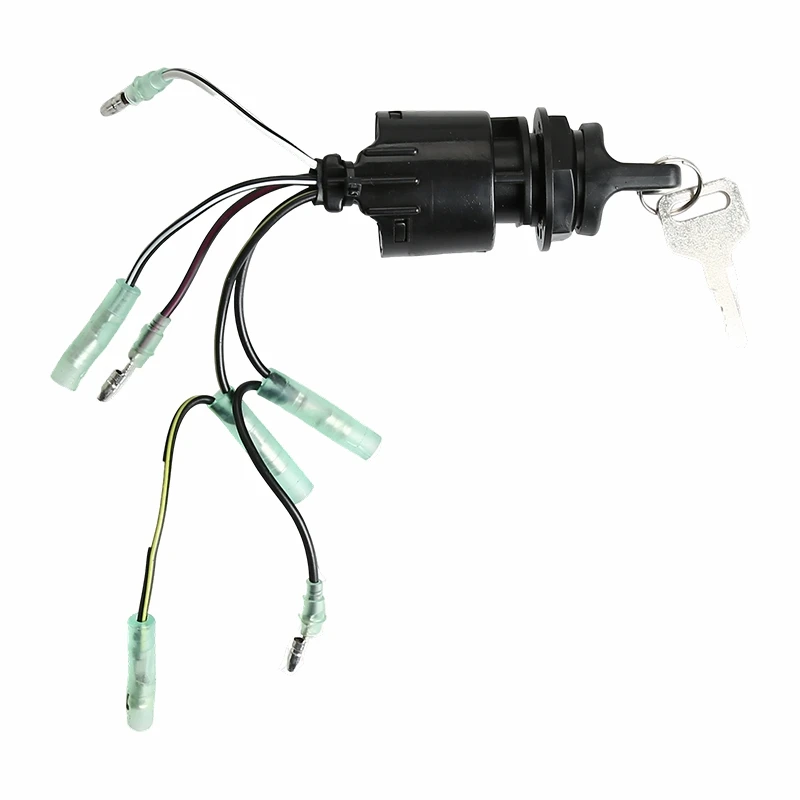
In theory, the two functions are quite separate. The ignition switch is focused on engine operation, while the battery charger is for battery maintenance. However, there are some electrical considerations. For example, the ignition switch is designed to handle the electrical load of the ignition system, which typically has a relatively low current draw when the engine is running. A battery charger, depending on its capacity, can draw a significant amount of current during the charging process.
Potential Risks
If one attempts to connect a battery charger to a circuit that includes a Honda outboard ignition switch, several risks may arise. Firstly, the ignition switch may not be rated to handle the high - current load of the battery charger. This can lead to overheating of the switch contacts, which may cause damage to the switch itself. Over time, the overheating can also cause the insulation around the wires to melt, leading to short - circuits and potentially starting a fire on the boat.
Secondly, the electrical characteristics of the battery charger may interfere with the proper functioning of the ignition system. The charger may introduce electrical noise or voltage spikes into the circuit, which can disrupt the ignition timing or cause misfires in the engine. This can lead to poor engine performance, reduced fuel efficiency, and even engine damage in severe cases.
Practical Considerations
In practical terms, it is not recommended to use a Honda outboard ignition switch in conjunction with a battery charger. Instead, the battery charger should be connected directly to the battery, following the manufacturer's instructions. The ignition switch should be used only for its intended purpose of starting and stopping the outboard engine.
When charging the battery, it is important to ensure that the charger is properly grounded and that the charging cables are in good condition. It is also advisable to disconnect any unnecessary electrical loads from the battery during the charging process to prevent any potential electrical interference.
However, there are some cases where a more integrated electrical system may be considered. For example, in larger boats with more complex electrical setups, some advanced electrical panels may be designed to manage both the ignition system and the battery charging system. In such cases, professional electrical installation and wiring are required to ensure that all components work together safely and efficiently.
Industry Standards and Best Practices
The marine industry has strict standards regarding electrical safety. Both the ignition switch and the battery charger should comply with relevant standards such as those set by the American Boat and Yacht Council (ABYC). These standards ensure that electrical components are designed and manufactured to be safe for use in a marine environment.
When installing or using any electrical equipment on a boat, it is important to follow best practices. This includes proper wiring, using appropriate fuses and circuit breakers, and regular maintenance and inspection. If you are unsure about how to connect or use the ignition switch and the battery charger, it is always recommended to consult a professional marine electrician.
Conclusion and Call to Action
In conclusion, while it may seem like a convenient idea to use a Honda outboard ignition switch with a battery charger, it is not advisable due to the potential risks and technical incompatibilities. As a supplier of high - quality Honda outboard ignition switches, we are committed to providing our customers with the best products and technical advice.
If you have any questions about our 35100 - ZV5 - 013 Ignition Key Switch For Honda 115 - 225HP Outboard Motor Remote Control Box or other Honda outboard ignition switches, or if you are interested in purchasing our products for your marine application, please don't hesitate to contact us for a detailed discussion. We are here to help you make the right choice and ensure the safe and efficient operation of your outboard motor.
References
- American Boat and Yacht Council (ABYC) Electrical Standards.
- Honda Outboard Motor Technical Manuals.


