


Hey there, fellow Yamaha outboard enthusiasts! As a supplier of Yamaha outboard thermostats, I often get asked, "How do I know if the thermostat in my Yamaha outboard is made of high - quality materials?" Well, I'm here to break it down for you.
First off, let's understand what a thermostat does in a Yamaha outboard engine. The thermostat is like the temperature - control boss of the engine. It regulates the flow of coolant to keep the engine at the right temperature. If it's made of low - quality materials, it can lead to all sorts of problems, like overheating or under - heating, which can seriously damage your engine.
1. Check the Manufacturer's Reputation
Yamaha is a well - known and trusted brand in the outboard engine industry. When it comes to thermostats, Yamaha has a reputation for using high - quality materials in their products. If you're buying a genuine Yamaha thermostat, you're already starting on the right foot. But sometimes, there are aftermarket thermostats available. You need to do your research on the manufacturer. Look for companies that have been in the business for a long time, have good customer reviews, and are known for their quality products.
For example, if you're looking for a thermostat for your Yamaha F150, F175, or F200 outboard, you might consider the 6DA - 12411 - 01 Yamaha Outboard F150 F175 F200 Thermostat Outboard 4 Stroke Engine. This product is from a reliable source and is designed to meet Yamaha's high standards.
2. Examine the Physical Appearance
A high - quality thermostat should have a solid and well - crafted appearance. When you get your hands on a thermostat, take a close look at it. The housing should be made of a durable material, like high - grade plastic or metal. If it looks flimsy or has rough edges, it might not be of the best quality.
The thermostat's valve should move smoothly. You can gently try to move it (if it's safe to do so) to see if there's any stiffness or resistance. A sticky valve can indicate poor quality materials or a manufacturing defect. Also, check for any signs of corrosion or rust. Corrosion can occur if the materials used are not resistant to the coolant or the environment in which the engine operates.
3. Consider the Heat - Sensing Element
The heat - sensing element is a crucial part of the thermostat. It's what tells the thermostat when to open and close based on the engine's temperature. High - quality thermostats use reliable heat - sensing elements.
Some thermostats use a wax - filled element. When the engine heats up, the wax expands, causing the valve to open and allow coolant to flow. A good quality wax - filled element should respond accurately to temperature changes. If the element is made of low - quality materials, it might not expand or contract properly, leading to inaccurate temperature regulation.
4. Look at the Sealing and Gaskets
A high - quality thermostat should have proper sealing and gaskets. The gaskets are what prevent coolant from leaking out. If the gaskets are made of low - quality rubber or other materials, they can wear out quickly and cause leaks.
When you install a thermostat, make sure the gaskets fit snugly and are in good condition. If you notice any signs of damage or wear on the gaskets, it's a red flag. A leaking thermostat can lead to a loss of coolant, which can cause the engine to overheat.
5. Check for Compatibility
It's essential to make sure the thermostat you're using is compatible with your Yamaha outboard engine. Using an incompatible thermostat can not only lead to poor performance but can also cause damage to the engine.
For instance, if you have a Yamaha F75, F80, F90, or F150 outboard motor, you should look for a thermostat like the 67F - 12411 - 0 Thermostat for Yamaha F75 F80 F90 F150 Outboard Motor. This thermostat is specifically designed to work with these models, ensuring proper fit and function.
6. Evaluate the Price
While price isn't always an indicator of quality, extremely cheap thermostats are often made of low - quality materials. If a thermostat is significantly cheaper than others on the market, it might be a sign that the manufacturer has cut corners on materials.
On the other hand, a high - price tag doesn't always guarantee quality either. Do your research and compare prices from different suppliers. Look for a balance between price and quality.
7. Test the Thermostat
If possible, you can test the thermostat before installing it. You can use a simple method of placing the thermostat in a pot of water and heating it gradually. As the water heats up, the thermostat should open at the specified temperature.
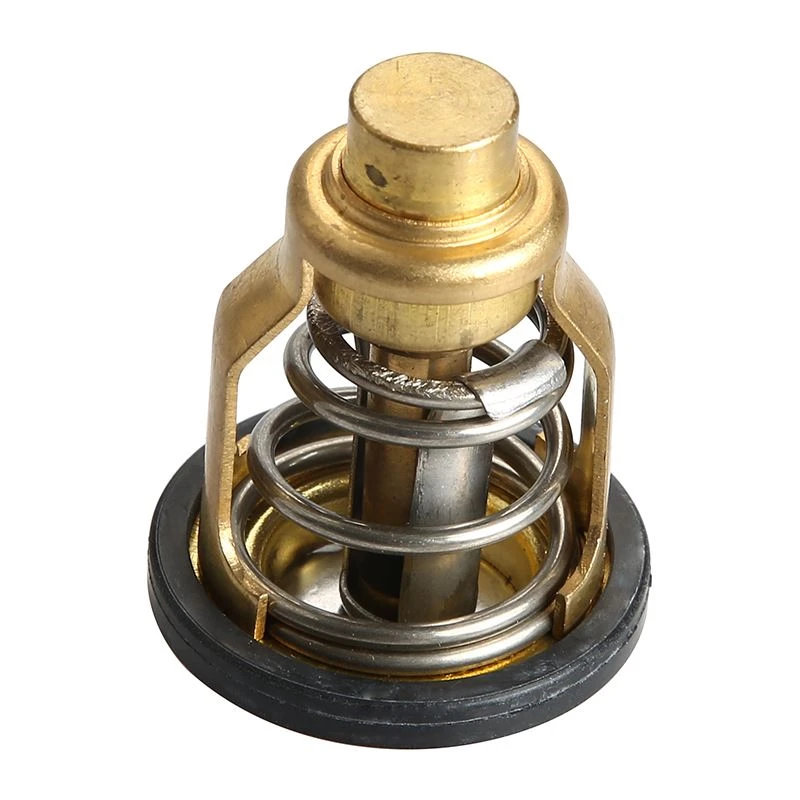

For example, if the thermostat is designed to open at 180°F (82°C), it should start to open when the water reaches that temperature. If it opens too early or too late, it might be a sign of a problem with the heat - sensing element or other components.
8. Read User Reviews
User reviews can be a great source of information. Look for reviews from other Yamaha outboard owners who have used the same thermostat. They can share their experiences with the product, including its durability, performance, and whether it was made of high - quality materials.
If you're considering a thermostat for a Yamaha 8HP–450HP engine, you might want to check out the 60V - 12411 - 00 Thermostat for Yamaha 8HP–450HP 833072003. Reading reviews from other users can give you an idea of its quality and performance.
Conclusion
Figuring out if the thermostat in your Yamaha outboard is made of high - quality materials takes a bit of research and inspection. By considering the manufacturer's reputation, examining the physical appearance, looking at the heat - sensing element, checking the sealing and gaskets, ensuring compatibility, evaluating the price, testing the thermostat, and reading user reviews, you can make a more informed decision.
If you're in the market for a Yamaha outboard thermostat, don't hesitate to reach out for more information. We're here to help you find the best thermostat for your engine. Whether you need assistance with choosing the right product or have questions about its quality, we're just a message away. Start your journey to a well - functioning Yamaha outboard engine today!
References
- Yamaha Outboard Engine Manuals
- Online forums for Yamaha outboard owners
- Manufacturer websites for Yamaha and aftermarket thermostat suppliers


