


When it comes to Yamaha outboard motors, the thermostat plays a crucial role in maintaining the engine's optimal operating temperature. A malfunctioning thermostat can lead to a variety of problems, from reduced performance to serious engine damage. As a trusted supplier of Yamaha outboard thermostats, I'm here to share some valuable insights on how you can prevent thermostat problems and keep your Yamaha outboard running smoothly.
Understanding the Importance of the Thermostat
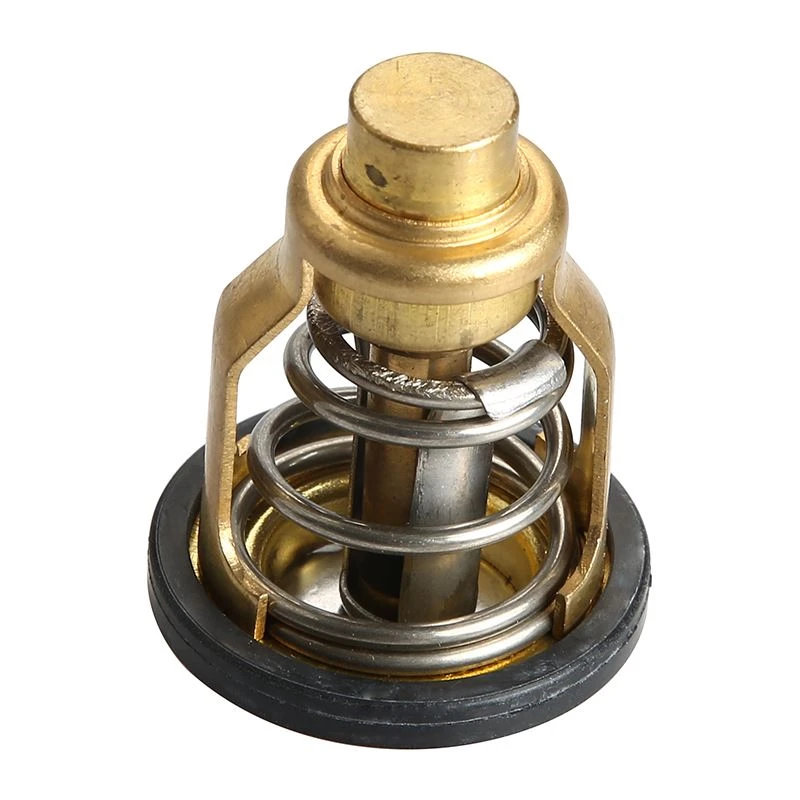
Before delving into prevention strategies, it's essential to understand the function of the thermostat in your Yamaha outboard. The thermostat is a small yet vital component that regulates the flow of coolant through the engine. It remains closed when the engine is cold, allowing it to warm up quickly. Once the engine reaches the appropriate temperature, the thermostat opens, allowing coolant to circulate and maintain a stable operating temperature.
Maintaining the correct temperature is crucial for several reasons. First, it ensures optimal combustion efficiency, which translates to better fuel economy and performance. Second, it helps prevent overheating, which can cause significant engine damage, such as warped cylinder heads, blown head gaskets, and seized pistons. Finally, it protects the engine from excessive wear and tear, extending its lifespan.

Regular Maintenance and Inspections
One of the most effective ways to prevent thermostat problems is to perform regular maintenance and inspections on your Yamaha outboard. Here are some key steps to follow:
- Flush the Cooling System: After each use, especially in saltwater, flush the cooling system to remove any salt, debris, or contaminants that could clog the thermostat or other cooling components. Follow the manufacturer's instructions for proper flushing procedures.
- Check the Coolant Level: Regularly inspect the coolant level in the reservoir and top it up as needed. Low coolant levels can cause the engine to overheat and put additional stress on the thermostat.
- Inspect the Thermostat: Periodically remove the thermostat and inspect it for signs of wear, damage, or corrosion. If the thermostat appears to be faulty or is not opening and closing properly, replace it immediately.
- Replace the Thermostat at Recommended Intervals: Refer to the Yamaha outboard owner's manual for the recommended thermostat replacement interval. As a general rule, it's a good idea to replace the thermostat every two to three years or as specified by the manufacturer.
Using High-Quality Thermostats
Another important factor in preventing thermostat problems is using high-quality thermostats that are specifically designed for your Yamaha outboard. At [Supplier's Name], we offer a wide range of thermostats that are engineered to meet or exceed the original equipment manufacturer (OEM) specifications. Our thermostats are made from high-quality materials and undergo rigorous testing to ensure reliable performance and durability.
Here are some of the high-quality thermostat products we offer:
- 67F-12411-0 Thermostat for Yamaha F75 F80 F90 F150 Outboard Motor: This thermostat is designed for Yamaha F75, F80, F90, and F150 outboard motors. It features a precision-engineered design that ensures accurate temperature control and reliable performance.
- 6FM-12411-00 Thermostat for Yamaha Outboard 20HP 25HP 4 Stroke: This thermostat is specifically designed for Yamaha outboard motors with 20HP and 25HP 4-stroke engines. It is made from high-quality materials and is built to last.
- 6DA-12411-01 Yamaha Outboard F150 F175 F200 Thermostat Outboard 4 Stroke Engine: This thermostat is designed for Yamaha F150, F175, and F200 outboard motors. It features a durable construction and is designed to provide reliable performance in even the most demanding conditions.
Proper Installation Techniques
Proper installation of the thermostat is crucial for its proper functioning and to prevent problems. Here are some installation tips to keep in mind:
- Follow the Manufacturer's Instructions: Always refer to the Yamaha outboard owner's manual or the manufacturer's instructions for the correct installation procedure. Make sure to use the recommended tools and follow all safety precautions.
- Clean the Thermostat Housing: Before installing the new thermostat, clean the thermostat housing thoroughly to remove any dirt, debris, or old gasket material. This will ensure a proper seal and prevent coolant leaks.
- Use a New Gasket: Always use a new gasket when installing the thermostat. A worn or damaged gasket can cause coolant leaks and lead to thermostat problems.
- Check the Thermostat Orientation: Make sure to install the thermostat in the correct orientation. The thermostat should be installed with the arrow pointing in the direction of coolant flow.
- Tighten the Bolts Properly: When tightening the bolts that secure the thermostat housing, make sure to follow the manufacturer's recommended torque specifications. Over-tightening the bolts can damage the thermostat housing or the thermostat itself, while under-tightening can cause coolant leaks.
Monitoring the Engine Temperature
Regularly monitoring the engine temperature is an important part of preventing thermostat problems. Most Yamaha outboard motors are equipped with a temperature gauge or warning light that indicates the engine's operating temperature. Here are some tips for monitoring the engine temperature:
- Check the Temperature Gauge Regularly: While operating the outboard, keep an eye on the temperature gauge to ensure that the engine is operating within the normal temperature range. If the temperature gauge reads higher than normal or the warning light comes on, stop the engine immediately and investigate the cause.
- Be Aware of the Warning Signs: In addition to the temperature gauge and warning light, be aware of other warning signs of thermostat problems, such as steam or coolant leaks from the engine, a decrease in engine performance, or unusual noises coming from the engine. If you notice any of these warning signs, stop the engine and have it inspected by a qualified technician.
- Keep a Temperature Log: Consider keeping a temperature log to track the engine's operating temperature over time. This can help you identify any trends or patterns that may indicate a problem with the thermostat or other cooling components.
Educating Yourself and Your Crew
Finally, it's important to educate yourself and your crew about the importance of the thermostat and how to prevent thermostat problems. Here are some tips for educating yourself and your crew:
- Read the Owner's Manual: Make sure to read the Yamaha outboard owner's manual thoroughly to familiarize yourself with the thermostat's operation, maintenance requirements, and warning signs of problems.
- Provide Training to Your Crew: If you have a crew on board, provide them with training on how to monitor the engine temperature, recognize the warning signs of thermostat problems, and perform basic maintenance tasks.
- Stay Informed About Maintenance and Repairs: Stay informed about the latest maintenance and repair procedures for your Yamaha outboard, including the thermostat. This can help you prevent problems and ensure that your outboard is always in top condition.
Conclusion
Preventing thermostat problems in your Yamaha outboard is essential for maintaining its performance, reliability, and longevity. By following the tips outlined in this blog post, including regular maintenance and inspections, using high-quality thermostats, proper installation techniques, monitoring the engine temperature, and educating yourself and your crew, you can minimize the risk of thermostat problems and keep your Yamaha outboard running smoothly.
If you have any questions or need further assistance with your Yamaha outboard thermostat, please don't hesitate to contact us. We're here to help you find the right thermostat for your outboard and provide you with the support and expertise you need to keep your engine running at its best. Whether you're a professional boater or a recreational enthusiast, we're committed to providing you with the highest quality products and services. Contact us today to start a discussion about your thermostat needs and explore how we can assist you in ensuring your Yamaha outboard's optimal performance.
References
- Yamaha Outboard Owner's Manual
- Marine Engine Maintenance Guides
- Industry Publications on Outboard Motor Technology


