


As a trusted supplier of Tohatsu outboard pistons, I understand the importance of a well - functioning piston in your outboard motor. A damaged piston can lead to a host of problems, from reduced engine performance to complete engine failure. In this article, I'll share with you how to check if a Tohatsu outboard piston is damaged.
Understanding the Basics of a Tohatsu Outboard Piston
Before we dive into the inspection process, it's essential to have a basic understanding of what a Tohatsu outboard piston does. The piston is a crucial component of the engine's combustion chamber. It moves up and down within the cylinder, compressing the air - fuel mixture and transferring the force generated by the combustion process to the crankshaft. This movement is what ultimately powers your boat.
Tohatsu outboard pistons are designed to withstand high temperatures and pressures. However, over time, they can wear out or become damaged due to factors such as improper maintenance, overheating, or the use of low - quality fuel.
Visual Inspection
The first step in checking for piston damage is a visual inspection. This can be done by removing the cylinder head, which gives you direct access to the piston.
1. Look for Scoring or Scratches
Scoring or scratches on the piston surface are a clear sign of damage. These marks can be caused by debris in the engine, such as dirt or metal shavings, or by the piston rubbing against the cylinder wall due to improper clearance. If you notice any significant scoring or scratches, it's likely that the piston needs to be replaced.
2. Check for Cracks
Cracks in the piston can be extremely dangerous. They can lead to a loss of compression, which will significantly reduce engine performance. Cracks can be caused by overheating, excessive stress, or a manufacturing defect. Look carefully at the piston crown, skirt, and ring grooves for any signs of cracking. If you find a crack, the piston should be replaced immediately.
3. Examine the Piston Rings
The piston rings are responsible for sealing the combustion chamber and preventing oil from entering. Worn or damaged piston rings can cause a loss of compression and increased oil consumption. Inspect the rings for signs of wear, such as excessive clearance or broken segments. If the rings are damaged, they should be replaced.
Measuring the Piston
In addition to a visual inspection, it's also important to measure the piston to ensure it is within the manufacturer's specifications.
1. Piston Diameter
Use a micrometer to measure the piston diameter at several points along its length. Compare the measurements to the manufacturer's specifications. If the piston diameter is too small, it may be worn and need to be replaced. If it's too large, it may not fit properly in the cylinder.
2. Piston Skirt Clearance
The piston skirt clearance is the space between the piston skirt and the cylinder wall. This clearance is crucial for proper piston movement. To measure the skirt clearance, you'll need to measure the cylinder bore diameter and subtract the piston diameter. Again, compare the result to the manufacturer's specifications.
Compression Test
A compression test is another valuable tool for checking the condition of the piston. This test measures the pressure within the combustion chamber when the piston is at the top of its stroke.
1. How to Perform a Compression Test
First, remove all the spark plugs from the engine. Then, insert a compression gauge into the spark plug hole. Crank the engine several times (usually 4 - 6 revolutions) and record the compression reading. Repeat this process for each cylinder.
2. Interpreting the Results
If the compression reading is significantly lower than the manufacturer's specifications, it could indicate a problem with the piston, piston rings, or valves. A low compression reading can be caused by a damaged piston that is unable to seal the combustion chamber properly.
Checking with a Borescope
In some cases, it may be difficult to visually inspect the piston without completely disassembling the engine. This is where a borescope can be useful. A borescope is a flexible tube with a camera on the end that allows you to look inside the engine without removing the cylinder head.
1. Using a Borescope
Insert the borescope into the spark plug hole or another access point in the engine. Look for any signs of damage, such as scoring, cracks, or excessive wear. The borescope can also help you check the condition of the cylinder walls.

Common Signs of a Damaged Piston
Even if you don't have the tools or knowledge to perform a detailed inspection, there are some common signs that can indicate a damaged piston.
1. Reduced Engine Performance
If your engine is losing power, struggling to accelerate, or running rough, it could be due to a damaged piston. A piston that is not functioning properly can cause a loss of compression, which will affect the engine's ability to generate power.
2. Excessive Oil Consumption
If you notice that your engine is consuming more oil than usual, it could be a sign of damaged piston rings. Worn rings can allow oil to enter the combustion chamber, where it is burned along with the fuel.
3. Unusual Engine Noises
Knocking or rattling noises coming from the engine can be a sign of a damaged piston. These noises are often caused by the piston slapping against the cylinder wall or by loose or damaged parts within the piston assembly.
Our Product Recommendation
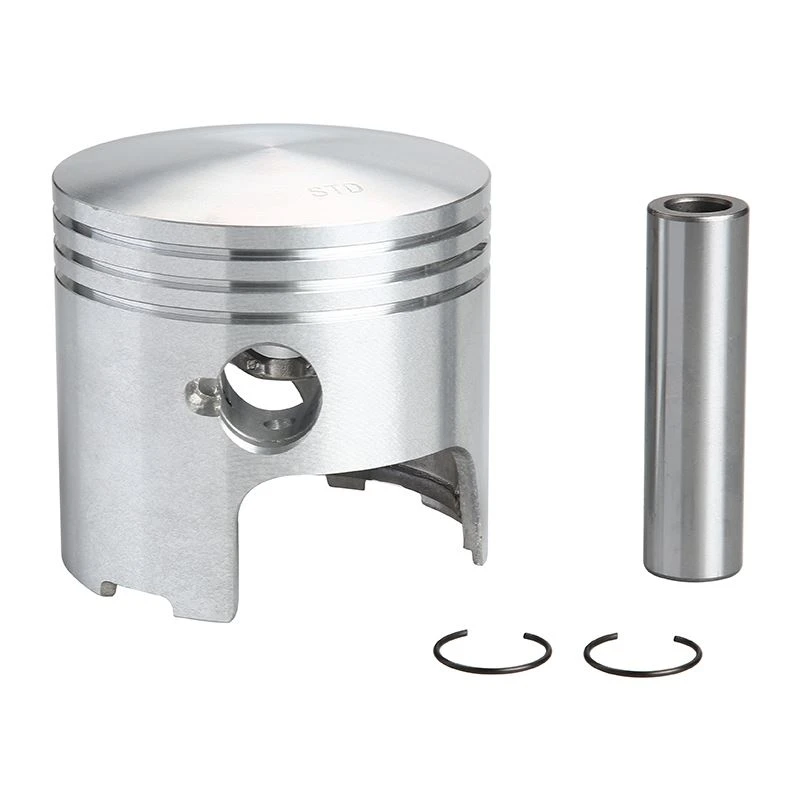
If you find that your Tohatsu outboard piston is damaged, we offer a high - quality replacement option: 3B7 - 00001 - 2 86MM Piston Kit for TOHATSU 2 Stroke 60 - 90 HP. This piston kit is specifically designed for Tohatsu 2 - stroke engines in the 60 - 90 HP range, ensuring a perfect fit and reliable performance.
Contact Us for Purchase and Negotiation
If you are in need of a Tohatsu outboard piston or have any questions about our products, feel free to reach out. We are committed to providing you with the best - quality pistons and excellent customer service. Our team of experts is ready to help you choose the right piston for your specific needs and guide you through the purchasing process.
References
- Tohatsu Outboard Motor Maintenance Manual
- "Marine Diesel Engines and Gas Turbines" by John Twigg
- "Outboard Engine Mechanics" by William F. Ruck
- "The Complete Book of Outboard Engines" by Robert W. Nuckolls


