


As a dedicated supplier of Johnson Evinrude outboard ignition switches, I understand the importance of keeping these crucial components in top - notch condition. Corrosion can significantly impact the performance and lifespan of an ignition switch, leading to operational issues and potentially costly repairs. In this blog, I'll share some effective strategies on how to prevent corrosion on a Johnson Evinrude outboard ignition switch.
Understanding the Causes of Corrosion
Before delving into prevention methods, it's essential to understand what causes corrosion in the first place. The marine environment is particularly harsh on outboard ignition switches. Saltwater, in particular, is highly corrosive due to its high concentration of dissolved salts. When saltwater comes into contact with the metal components of the ignition switch, it can initiate a chemical reaction that leads to rust and corrosion.
Humidity also plays a role. High levels of moisture in the air can create a damp environment around the ignition switch, promoting the growth of rust. Additionally, exposure to chemicals such as fuel additives and cleaning agents can sometimes break down the protective coatings on the switch, making it more susceptible to corrosion.
Regular Cleaning
One of the most basic yet effective ways to prevent corrosion is regular cleaning. After each use of the outboard motor, it's a good practice to rinse the ignition switch with fresh water. Use a gentle stream of water to remove any salt, dirt, or debris that may have accumulated on the switch. Avoid using high - pressure water, as this could force water into the internal components of the switch, causing more harm than good.
For a more thorough cleaning, you can use a mild detergent solution. Dip a soft cloth or sponge into the solution and gently wipe the surface of the ignition switch. Make sure to dry the switch completely with a clean, dry cloth. This helps to remove any remaining contaminants and moisture that could lead to corrosion.
Protective Coatings
Applying a protective coating to the ignition switch can provide an extra layer of defense against corrosion. There are several types of protective coatings available on the market, such as clear epoxy coatings or anti - corrosion sprays.
When using a clear epoxy coating, carefully follow the manufacturer's instructions. First, clean and dry the ignition switch thoroughly. Then, apply a thin, even layer of the epoxy coating to the surface of the switch. This coating acts as a barrier, preventing moisture and salt from coming into direct contact with the metal.

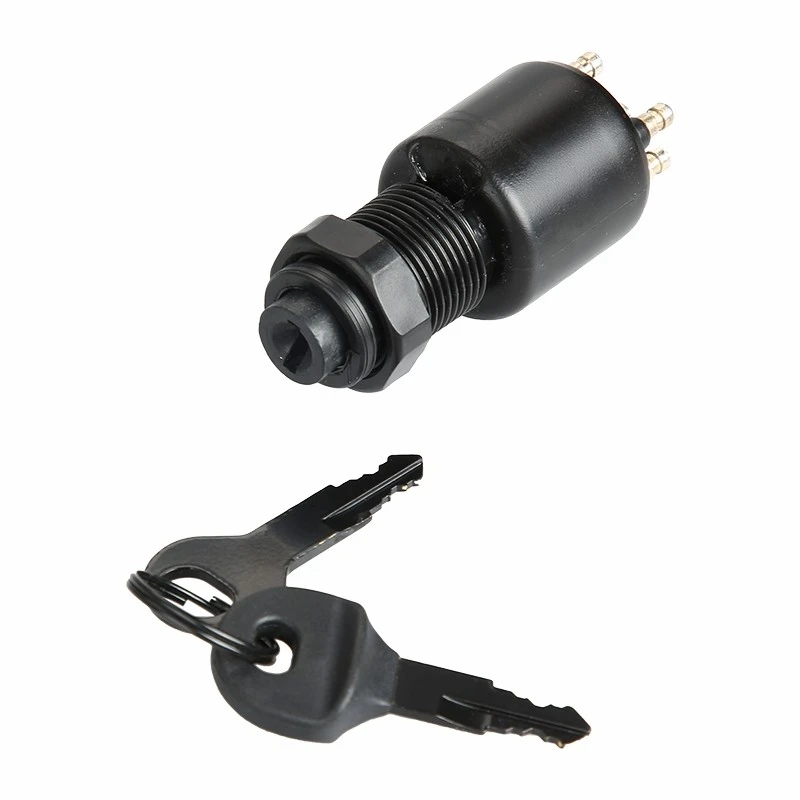
Anti - corrosion sprays are also a popular choice. These sprays contain chemicals that inhibit the corrosion process. Simply spray the coating onto the ignition switch, making sure to cover all exposed surfaces. Allow the spray to dry completely before using the motor again.
Proper Storage
Proper storage is crucial for preventing corrosion on the Johnson Evinrude outboard ignition switch. When the motor is not in use, it should be stored in a dry, sheltered place. If possible, cover the motor with a waterproof cover to protect it from the elements.
It's also a good idea to disconnect the battery when the motor is in storage. This helps to prevent electrical corrosion that can occur due to a small amount of current flowing through the switch even when the motor is off.
Inspect Regularly
Regular inspections are essential for early detection of corrosion. Check the ignition switch for any signs of rust, discoloration, or damage. If you notice any issues, address them immediately. Minor corrosion can often be removed using a wire brush or sandpaper, followed by the application of a protective coating.
However, if the corrosion has penetrated deep into the switch or if there is significant damage, it may be necessary to replace the ignition switch. As a supplier, I offer a high - quality product like the 175974 5005801 Ignition Switch Key Assembly with Safety Lanyard for OMC Johnson Evinrude 40 - 200HP Outboard Motor. This product is designed to meet the highest standards of quality and durability, ensuring reliable performance even in harsh marine environments.
Use of Desiccants
Desiccants are substances that absorb moisture from the air. Placing a desiccant packet near the ignition switch can help to keep the surrounding environment dry. Silica gel is a common desiccant that can be easily found in many hardware stores. Simply place a few packets in the vicinity of the ignition switch, and they will absorb any excess moisture, reducing the risk of corrosion.
Avoiding Over - Tightening
When installing or maintaining the ignition switch, it's important not to over - tighten the screws or connections. Over - tightening can damage the switch and its protective coatings, making it more vulnerable to corrosion. Follow the manufacturer's recommended torque specifications when tightening any fasteners.
Conclusion
Preventing corrosion on a Johnson Evinrude outboard ignition switch is essential for ensuring the long - term performance and reliability of your outboard motor. By following these simple yet effective strategies, such as regular cleaning, applying protective coatings, proper storage, regular inspections, using desiccants, and avoiding over - tightening, you can significantly extend the lifespan of your ignition switch.
If you're in the market for a high - quality Johnson Evinrude outboard ignition switch or have any questions about corrosion prevention, I encourage you to reach out. I'm here to assist you with all your ignition switch needs and help you make the best choice for your outboard motor.
References
- Marine Engine Maintenance Manuals
- Industry research on outboard motor component corrosion prevention


